L'Archetipo
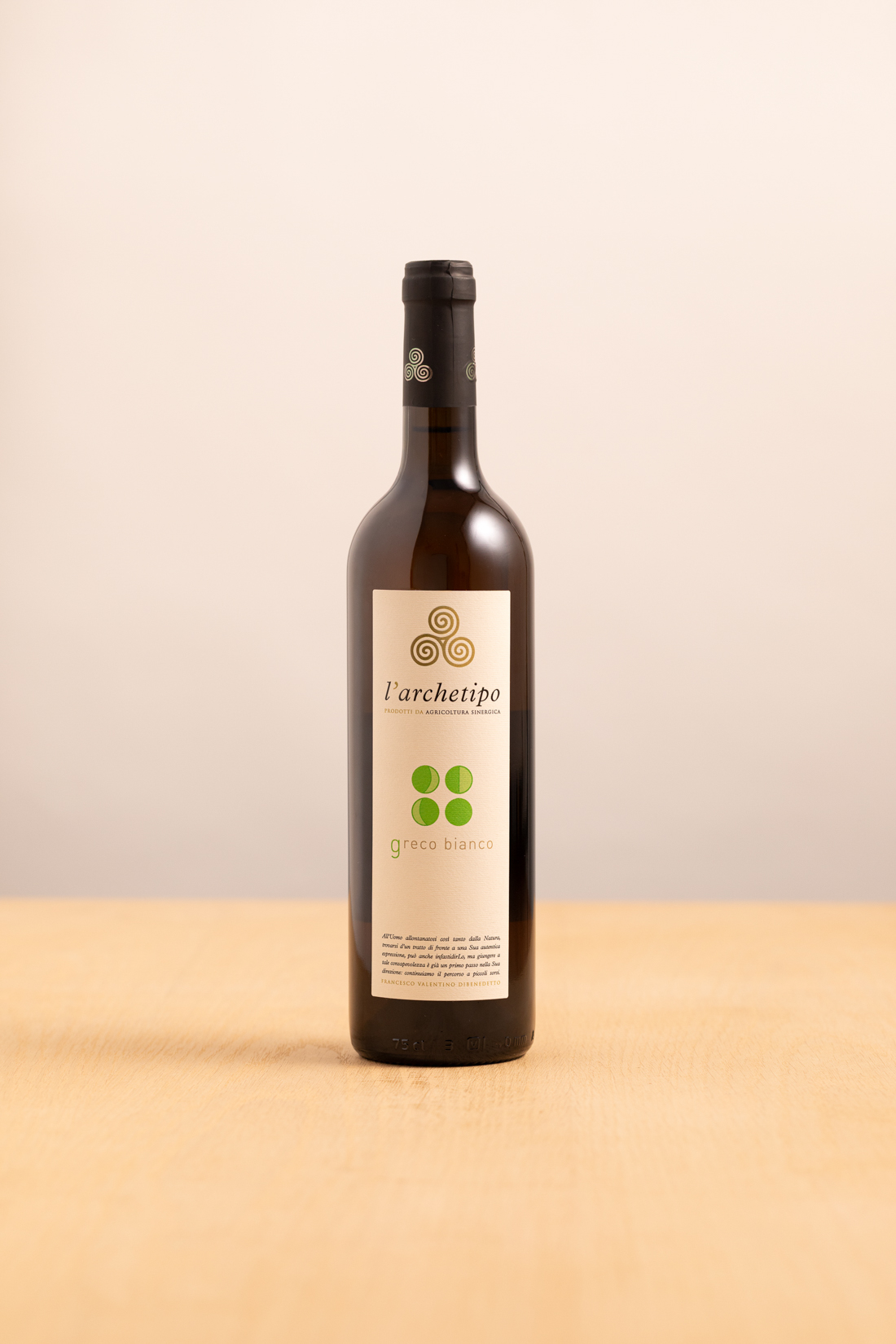
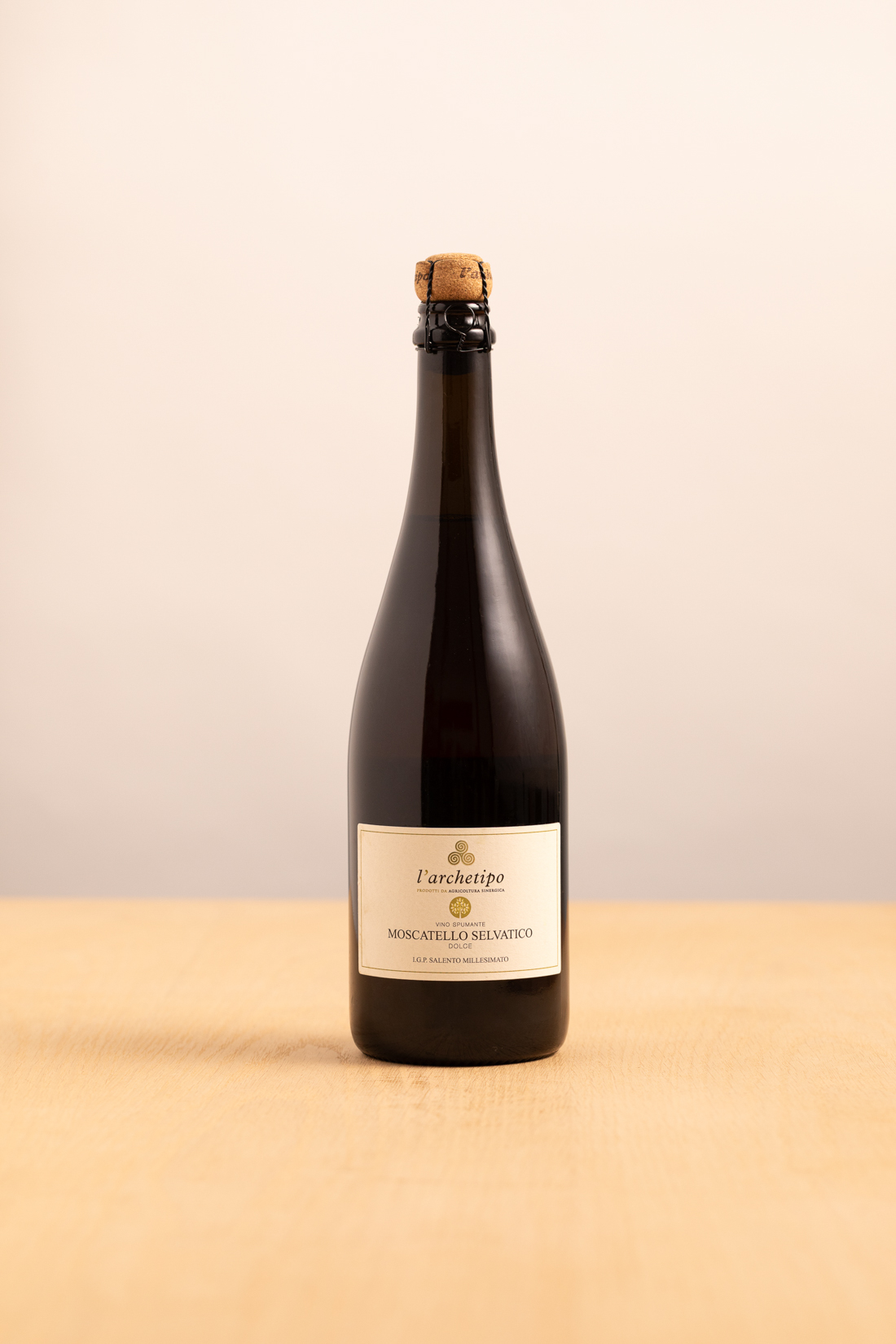
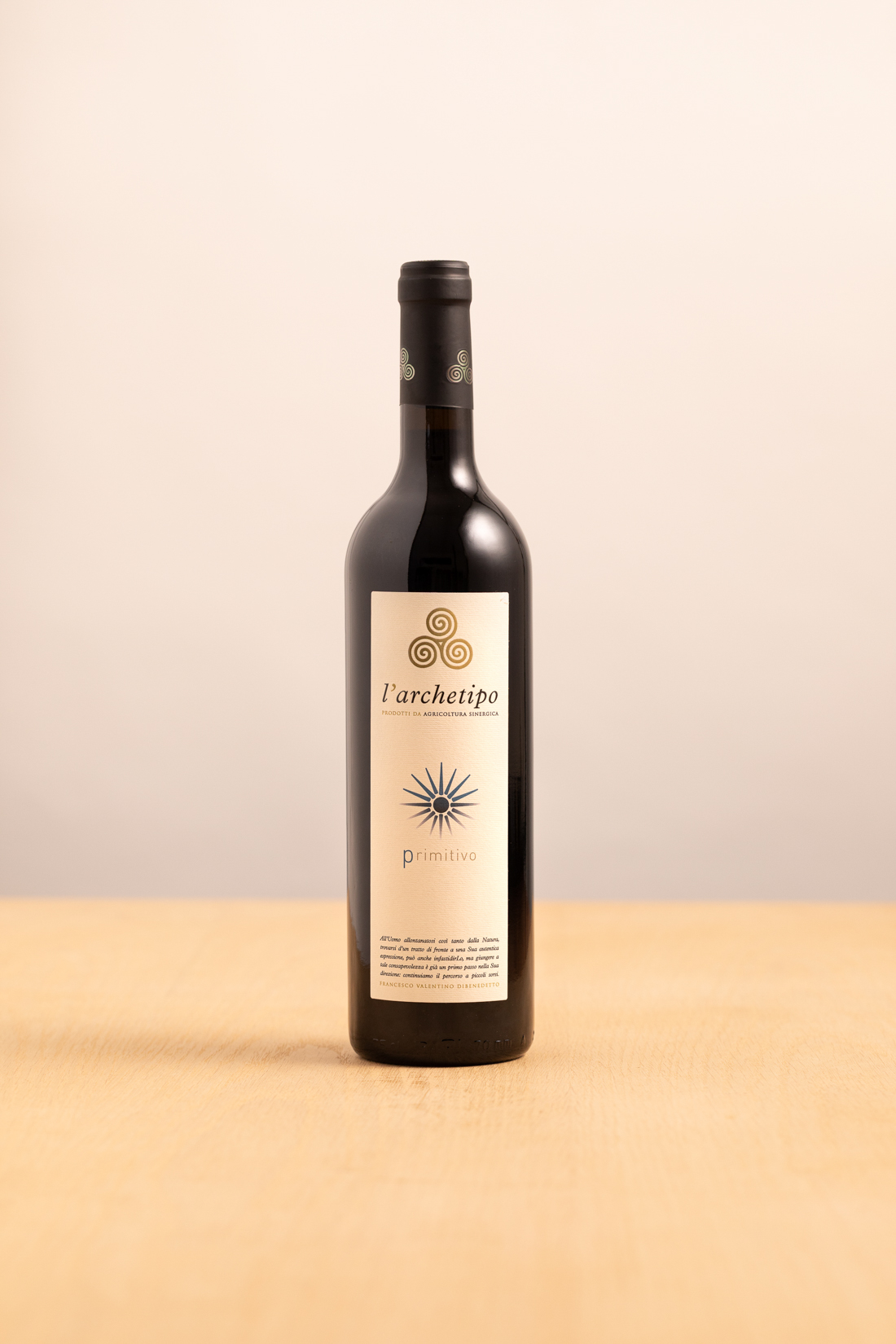
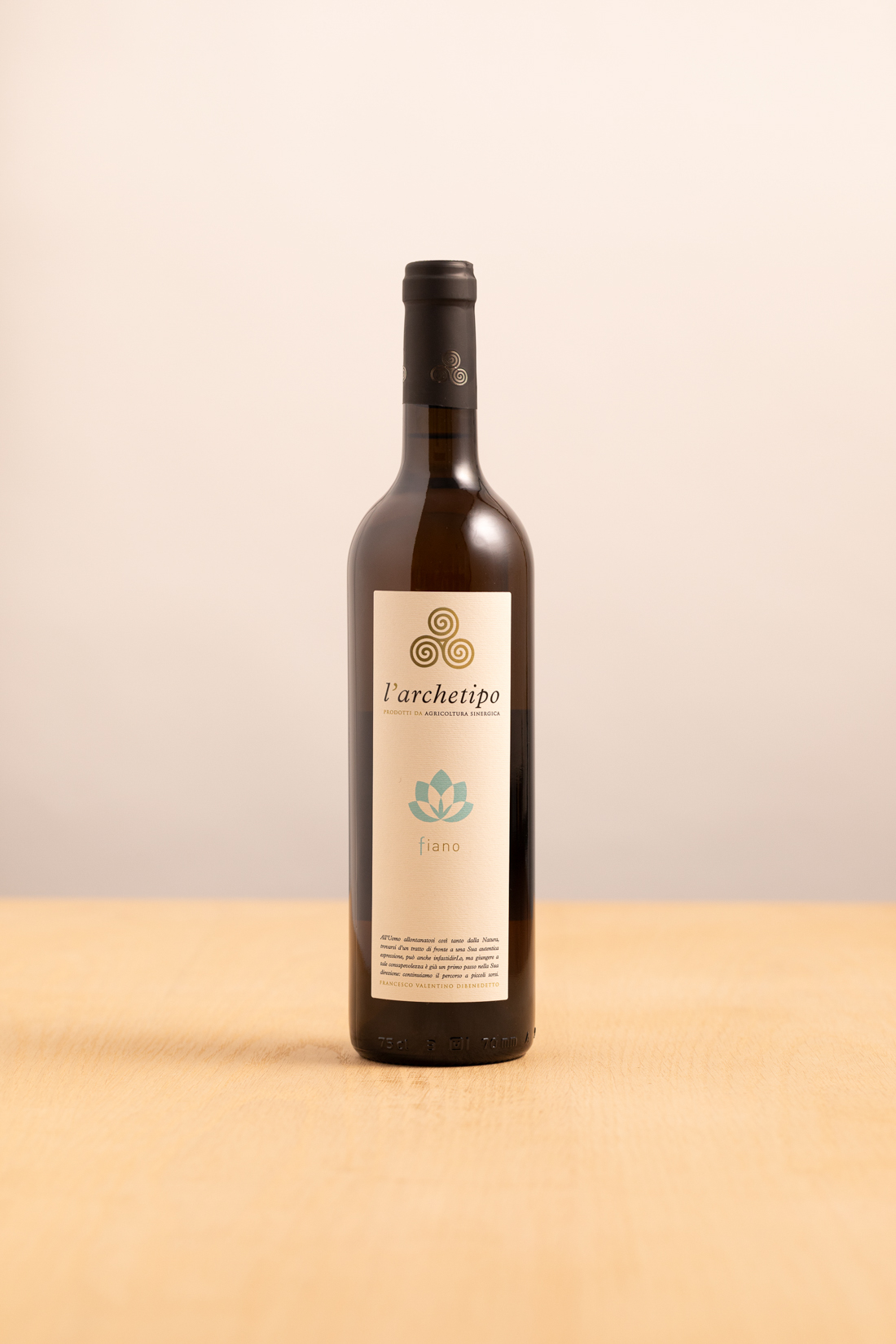
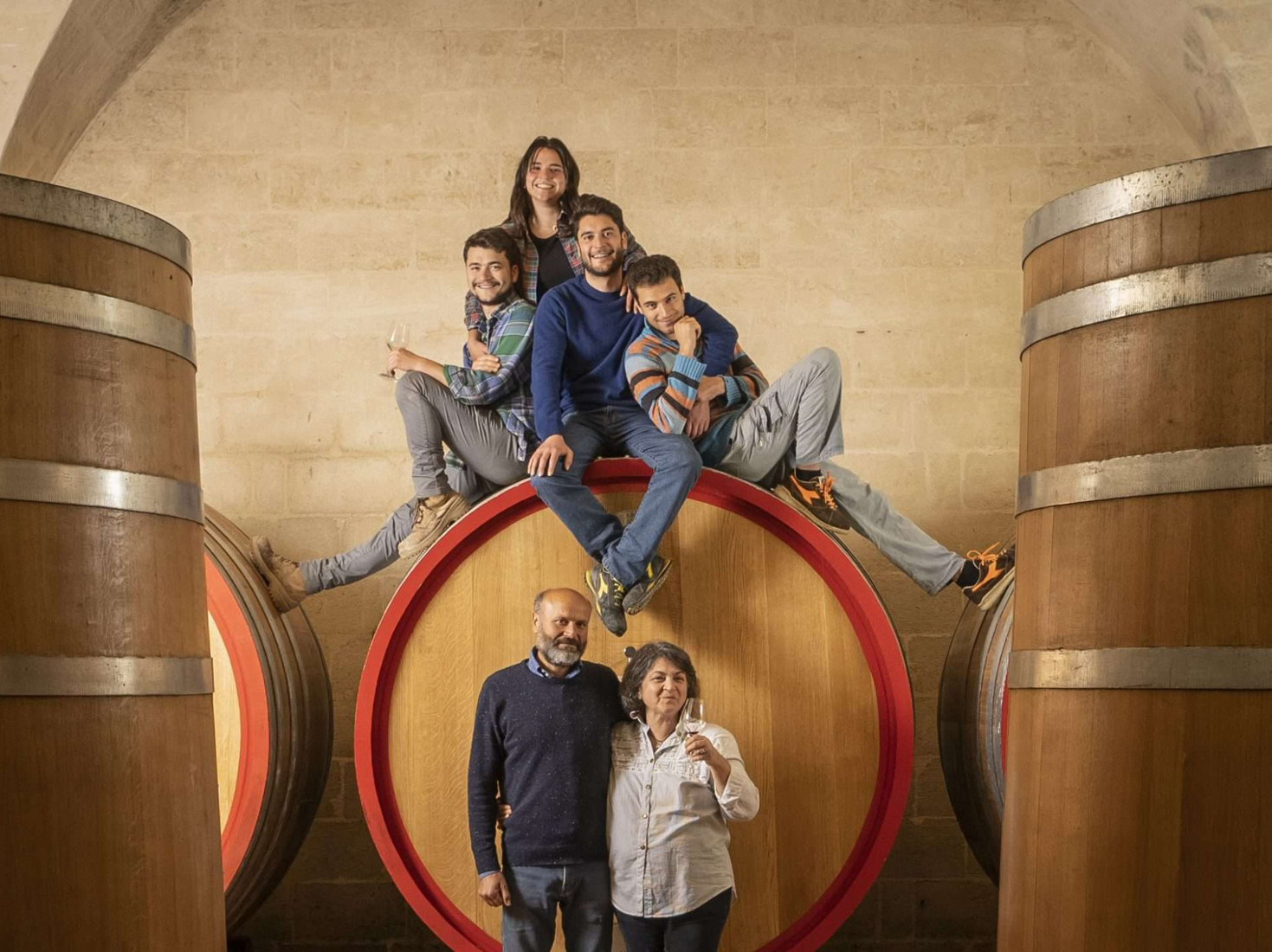
It is hard to overstate just how committed the family behind L’Archetipo is to rethinking agriculture and viticulture at their most fundamental level. Located in Castellaneta, at the foot of the Murgia Barese hills near Altamura, the estate is led by Francesco Valentino Dibenedetto—a farmer by birth and agronomist by training—alongside his wife Anna Maria and their four children, Carlo Nazareno, Domenico, Andrea, and Maria Clelia. Together, they have embarked on a lifelong project aimed not merely at producing wine, but at restoring the natural balance of soil, plants, and the broader ecosystem.
Francesco began converting the farm to organic agriculture in the 1980s, moving to biodynamics in 2000. Yet even these methods, he felt, did not go far enough in returning the land to its archetypal state. Inspired by the non-interventionist philosophy of Masanobu Fukuoka, he ultimately embraced a form of synergistic agriculture that eliminates plowing and encourages natural cooperation between soil, plants, insects, and animals. Today, their vineyards are left unplowed, alive with cover crops and wildlife, and trained in a “free espalier,” allowing the vines to creep and climb as they would in nature.
The family farms 50 hectares, 30 of which are under vine, at approximately 320 meters above sea level. In these conditions, they cultivate both well-known southern Italian varieties—Primitivo, Aglianico, Fiano, Greco, and Negroamaro—and rare, historically overlooked grapes such as Maresco, Marchione, and Susumaniello. All fruit is harvested by hand at optimal ripeness, with no synthetic chemicals used at any stage.
This rigor in the vineyard carries through to the cellar, a structure built entirely of tuff stone. Winemaking at L’Archetipo is defined by extreme restraint: fermentations rely solely on indigenous yeasts, there is no filtration, and aging takes place exclusively in neutral vessels, with only minimal sulfur added. The resulting wines are a direct and unadorned expression of the land and the family’s decades-long commitment to farming as an act of ecological restoration—pure, vital wines that speak clearly of place and philosophy.